
The risks often outweigh the potential benefits, making abstinence a more viable long-term strategy for maintaining sobriety. The debate between abstinence and controlled drinking is ongoing, but experts generally advocate for total abstinence as the safest route for individuals recovering from alcohol addiction. This article delves into why complete sobriety is crucial and the challenges of moderate drinking for alcoholics. For most people with alcohol addiction, drinking ‘normally’ and in moderation isn’t possible. https://itamegne.lv/2021/10/05/can-alcohol-lead-to-weight-gain-heres-what-an-2/ Even a single drink can trigger cravings and lead back to old habits.
– 6 months: Your Body Will Heal
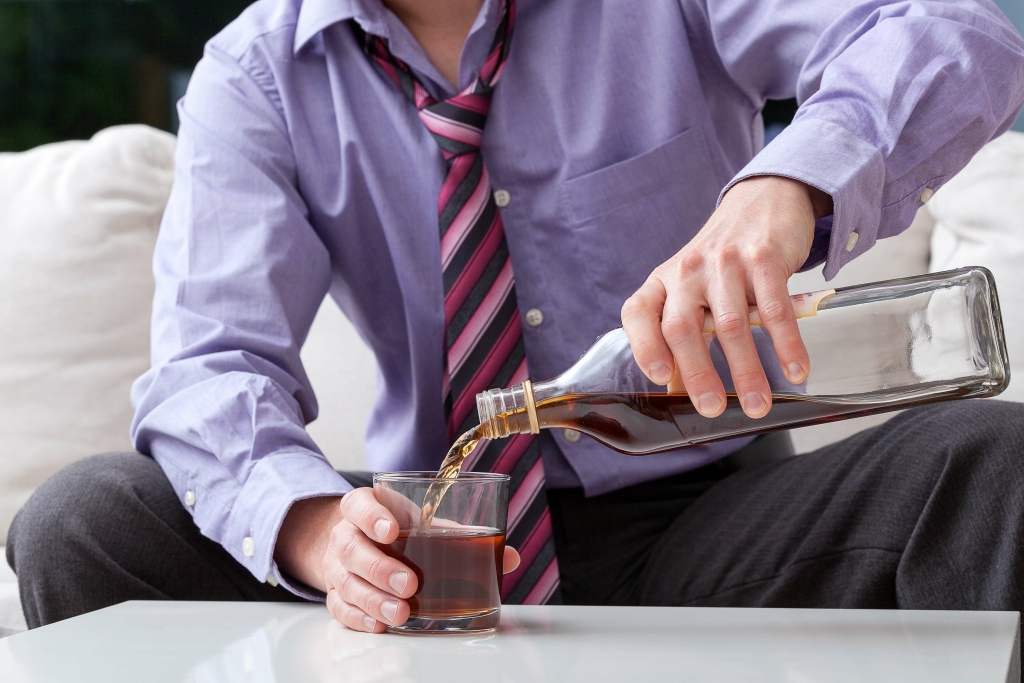
Chronic dehydration can affect how you feel, how your skin looks, your hair quality and your overall well-being. By the first week after stopping alcohol, you will be more hydrated. The effects of being well-hydrated will continue to build, having more positive results as you continue sobriety. “@chrissyteigen congrats! Your story sounds too similar to mine. I just celebrated 90 days. One day at a time, my friend ❤️,” one fan wrote. Are there people who, after a serious alcohol addiction, started drinking only on holidays?
Trump is right to seek control of Greenland before others do Paul McCarthy
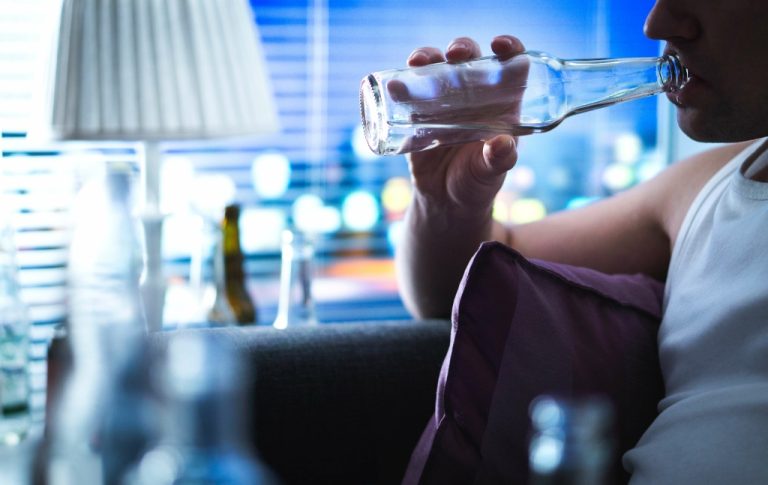
Educating oneself about the realities of alcohol can empower individuals to make informed choices and support their journey towards lasting sobriety. Occasional drinking refers to drinking alcohol infrequently and in going back to drinking after being sober small amounts, typically in social settings or on special occasions. For most people without alcohol use disorder, it means enjoying a drink now and then without experiencing negative effects or losing control. However, for someone in recovery or with a history of alcohol addiction, even occasional drinking can be risky, as it may trigger cravings and increase the chance of relapse.
Mitch’s Story of Overcoming Chronic Relapses
People will often go through treatment and have a period of sobriety. But what happens if, after being sober, someone starts drinking again? An alcohol relapse means you go back to drinking regularly after having a period of sobriety without the use of alcohol. A person who misuses alcohol will feel like they are not able to function in their daily life without the use of alcohol. This is due to the changes in their brain chemistry due to their drinking. As with other chronic diseases, alcohol use disorder has treatment options and can be managed.
- Alcohol recovery is not easy for anybody, but those who have completed 30 days, one year, five years, or ten years of sobriety truly have an accomplishment to be proud of.
- The Lip Sync Battle commentator detailed her first “sober trip” to Italy in August 2021.
- Refraining from alcohol results in physical, psychological, and emotional withdrawal symptoms that drive alcoholics to drink again to relieve themselves of the symptoms.
- Your decision-making process will be clearer, you will be a better problem solver, you will be able to multitask, and your overall mental state will improve.
- We don’t just focus on stopping drinking, we help you uncover the underlying causes of addiction and develop healthier coping strategies for life.
Self-care can also mean taking better care of your emotional needs. Take time out for yourself, treat yourself with compassion, and let yourself have fun. Cognitive behavioral therapy (CBT) is an important tool for preventing relapses. It teaches you how to overcome negative thinking, which is often at the heart of a relapse.
How can I handle cravings without drinking again?
- He is dual board-certified in Internal Medicine and Addiction Medicine, reflecting his deep commitment to providing comprehensive, patient-centered care.
- After four weeks of hair growth without the effects of alcohol, your hair may appear fuller and more supple.
- Teigen told Cosmopolitan in August 2017 that she was “point blank, just drinking too much” when she chose to ditch alcohol.
- While there are many potential benefits that you should expect to see in your first month of sobriety, the positive effects of stopping alcohol will continue to follow you and grow throughout your life.
- You don’t have wine on the kitchen counter or vodka in your freezer.
Medical detox ensures alcoholism you will be as safe as possible by providing 24/7 monitoring that helps recognize and treat complications effectively and as rapidly as possible. The peak of withdrawal often occurs after about 48–72 hours after your last drink. At this point, all symptoms that are going to happen will be present and will be at their worst. The most dangerous symptoms that can develop will do so as symptoms peak. Seizures can occur, and an uncommon but dangerous condition called delirium tremens can happen at this point in withdrawal. Delirium tremens has a fatality rate of 37% if untreated and is considered a medical emergency.